
For Adults Carrying the Past
Healing Childhood Trauma as an Adult
What happened when you were young can still shape how you sleep, love, work and react. You are not stuck with it. Healing as an adult is possible, at a pace you choose.
How It Can Show Up Now
Childhood trauma does not always look like a memory you think about. More often it looks like the present: a temper that flares fast, a hard time trusting anyone, freezing during conflict, or feeling like you always have to be the strong one.
Some people had one frightening event. Others grew up with years of yelling, neglect, abuse, addiction in the home, or a parent who could not be there. Both count. You do not need to compare your story to anyone else's for it to matter.
Common Reasons Adults Reach Out
Clients often tell us one of these was the moment they decided to call:
- Becoming a parent and hearing your own parent's words come out
- A relationship that keeps ending the same way
- Feeling numb or on edge most of the time
- Reactions that feel bigger than the situation
- A loss or anniversary that brought old pain back
Therapy That Does Not Rush You
You decide what you share and when. Early sessions focus on steadiness: sleep, stress, and tools for the moments when your body reacts before your mind catches up. We go into the past only when you are ready, and only as far as is helpful.
Our clinicians draw on person-centered, cognitive-behavioral and solution-focused approaches, and they adjust the plan to you instead of fitting you into a script.
When Family and Culture Are Part of It
In many families, what happened at home stayed at home. Talking about it can feel like betrayal. We understand that loyalty, and we will not ask you to choose between your healing and your people. Our team comes from many cultures and backgrounds, and that understanding is part of how we work.
Healing does not mean blaming everyone who raised you or reliving the worst days over and over. It means understanding why your body and mind learned to protect you the way they did, and then deciding which of those habits you still need. Clients often describe the change as small at first: a calmer morning, a conversation that did not turn into a fight, a night of real sleep.
Clinicians for This
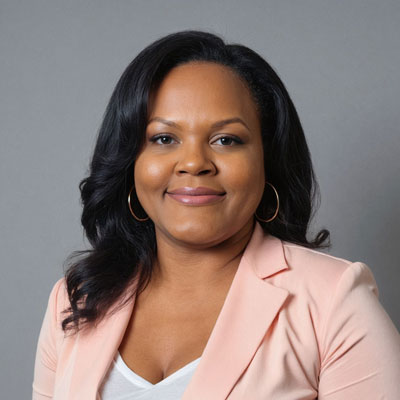 Demetria FlowersLPC Associate, MAPractices under the supervision of a Licensed Professional Counselor-Supervisor (LPC-S).
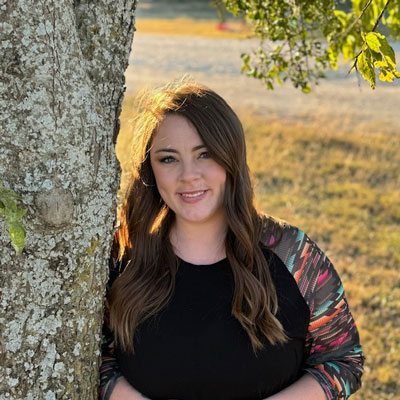 Lyndsay DawsonLPC Associate, MAPractices under the supervision of a Licensed Professional Counselor-Supervisor (LPC-S).
 Debbie VidanaGraduate Counselor InternPractices under the supervision of a Licensed Professional Counselor-Supervisor (LPC-S).
Common Questions
- Do I have to talk about every detail of what happened?
- No. Many people heal without retelling everything. Your clinician will check in often and follow your lead.
- Is it too late if this happened decades ago?
- It is not too late. Adults of every age work through childhood experiences in therapy and notice real change in how they feel day to day.
- Can I do trauma work by video?
- Yes. Many clients find it easier to open up from a space at home where they feel safe. You need to be in Texas during each session.
Ready to Begin?
What happened to you was not your fault, and carrying it alone is not the only option. Call, text or email when you are ready.