
Guarded for a Reason
When You Don't Trust Anyone
Somewhere along the way you learned that letting people in gets you hurt. Keeping your guard up has protected you, and it has also left you lonely.
Where Distrust Comes From
Trust often breaks early: a parent who was not safe, promises that were never kept, a home where you had to stay alert. For others it breaks later, through a partner who cheated, a friend who betrayed you or a workplace that used you.
For many people of color, distrust is also a reasonable response to being dismissed or mistreated by systems that were supposed to help. Your caution makes sense.
Distrust is not something to be ashamed of. It is a lesson your mind learned to keep you safe, and like any lesson, it can be updated when the situation changes. That updating takes time, and it goes best with someone patient beside you.
How It Shows Up Now
Maybe you test people before they can hurt you. Maybe you end relationships when they start getting close. Or you stay in them but never fully relax. Therapy is a place to look at these patterns without anyone telling you to just get over it.
- Expecting betrayal even when things are going well
- Doing everything yourself so you never need anyone
- Questioning your own judgment about people
- Feeling unsafe letting a partner see the real you
Building Trust Slowly
Trust in therapy is earned, not demanded. Your counselor will move at your pace, explain what they are doing and let you decide what to share. Over time, that relationship becomes practice for trusting others, and yourself, again.
Melisa Smith, LPC, works with adult couples and families, including rebuilding trust. Demetria Flowers and Lyndsay Dawson, LPC Associates, work with trauma, couples and families.
Signs Things Are Shifting
Progress with trust is often quiet. You might notice you asked a friend for help without bracing for disappointment. You might let a partner comfort you instead of pulling away. You might trust your own instincts about who is safe and who is not. These are real changes, and your counselor will help you notice and build on them so they last.
All sessions happen by secure video for clients located in Texas.
Clinicians for This
 Demetria FlowersLPC Associate, MAPractices under the supervision of a Licensed Professional Counselor-Supervisor (LPC-S).
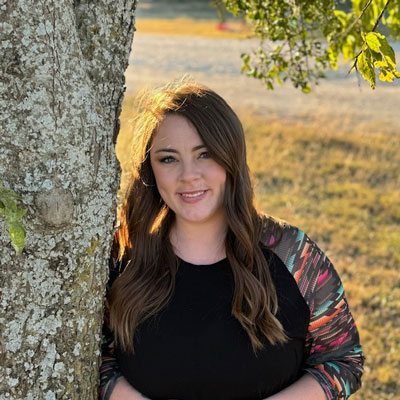 Lyndsay DawsonLPC Associate, MAPractices under the supervision of a Licensed Professional Counselor-Supervisor (LPC-S).
 Debbie VidanaGraduate Counselor InternPractices under the supervision of a Licensed Professional Counselor-Supervisor (LPC-S).

Common Questions
- What if I do not trust my therapist at first?
- That is expected, and you can say so out loud. A good counselor will welcome that honesty and work with it.
- Can trust issues hurt my relationship?
- They often do. If you have a partner, couples sessions can help you both understand the pattern and respond to it differently.
- Is this the same as trauma therapy?
- Sometimes. If distrust grew out of trauma, your counselor may use trauma-focused approaches as part of the work.
Ready to Begin?
You get to decide how fast this goes. Call, text or email us when you are ready to take one small step.