Two Backgrounds, One Home
Counseling for Multicultural and Interracial Couples
You chose each other across different cultures, races or faiths. Most days that is part of what you love. On the hard days, it can feel like you are speaking two languages.
Where the Friction Usually Starts
Couples from different backgrounds often grew up with different ideas about money, family time, holidays, raising kids, how to argue and how to make up. None of those ideas are wrong. They just collide, and without words for it, a disagreement about dinner becomes a fight about whose family is right.
Outside pressure adds to it. Strangers stare, relatives make comments, and one partner may face things the other has never had to think about. When that stress comes home, it is easy to turn on each other instead of facing it side by side.
What Couples Bring to Us
Some common reasons couples reach out:
- A parent or relative who does not accept the relationship
- Different expectations about religion or traditions
- Deciding how to raise children with both heritages
- Feeling like your partner does not get the racism you face
- The same argument showing up again and again
How Couples Counseling Helps
Your counselor helps each of you explain where you are coming from and listen without getting defensive. You will notice the pattern in your arguments and practice a new way through it. Together you can decide which traditions to keep, which to blend and how to answer family members who push back.
Melisa Smith focuses on couples and families, and Demetria Flowers and Lyndsay Dawson, LPC Associates, also work with couples and families. Our team reflects many cultures and backgrounds, so neither partner's world is treated as the default.
Sessions That Fit Two Schedules
Sessions are by secure video. You can join together from the same room or from two places, as long as you are both in Texas. Evening and weekend times help when two work schedules have to line up.
Many couples come in thinking their differences are the problem. Often the real issue is that neither partner feels fully understood. Once each of you can explain your family, your history and your hopes without being judged, conflict tends to soften. You start making decisions as a team, and your two backgrounds become something you build on together instead of something you fight about.
Clinicians for This
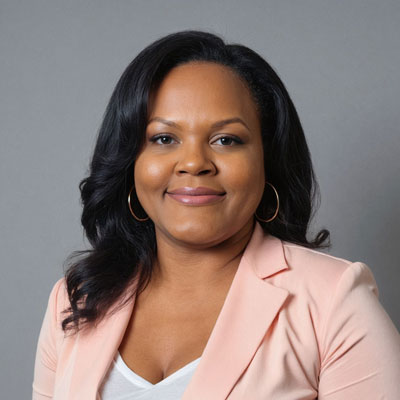 Demetria FlowersLPC Associate, MAPractices under the supervision of a Licensed Professional Counselor-Supervisor (LPC-S).
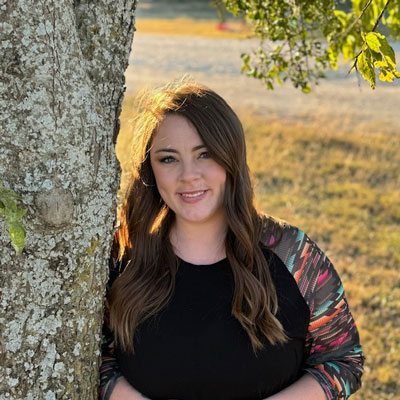 Lyndsay DawsonLPC Associate, MAPractices under the supervision of a Licensed Professional Counselor-Supervisor (LPC-S).
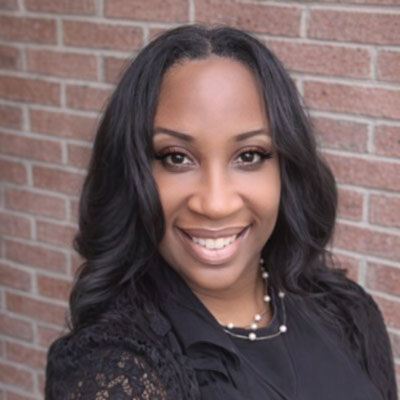
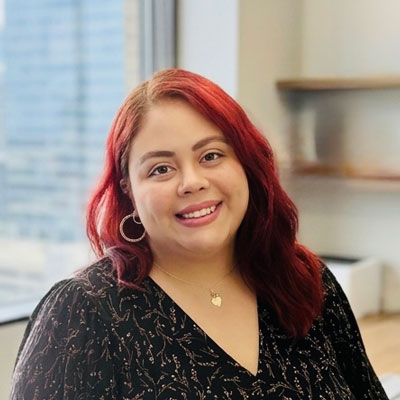 Debbie VidanaGraduate Counselor InternPractices under the supervision of a Licensed Professional Counselor-Supervisor (LPC-S).
Common Questions
- Will the counselor take sides?
- No. Your counselor works for the relationship. Each partner gets space to be heard and understood.
- Can we work on family disapproval in couples sessions?
- Yes. Many couples spend time deciding together how to handle relatives, set limits and protect the relationship.
- What if only one of us is ready to start?
- One partner can begin individually. Many people find that their partner joins later once they see it is a fair space.
Ready to Begin?
Your differences can be a strength in your relationship. Reach out together, or on your own, to get started.