
For Couples Going in Circles
When You Keep Having the Same Fight
It starts with the dishes, or money, or his mother, and twenty minutes later you are both saying the same things you said last month. You are tired of the script.
The Fight Is Rarely About the Dishes
Repeat arguments usually sit on top of something deeper: feeling unappreciated, feeling controlled, feeling alone in the marriage. One of you pushes to talk, the other shuts down, and both of you walk away feeling unheard.
That pattern is a cycle, and cycles can be named and changed. Seeing it clearly is often the first time a couple feels like they are on the same side again.
Couples who come to us are often not short on love. They are short on ways to talk when they are hurt. Learning those skills is practical work, and most couples find it a relief to have someone outside the relationship guiding the conversation.
What Happens in Couples Sessions
Your counselor slows the conversation down so each of you can actually be heard. Together you map the cycle, notice what sets it off, and practice new ways to respond in the moment.
- Spotting the trigger before the argument takes off
- Saying what you need without blame
- Repairing after a fight instead of going silent
- Rebuilding warmth and trust between arguments
Who You Would Work With
Melisa Smith, LPC, works with couples and families only. She is person-centered and uses motivational interviewing, so neither partner gets cast as the villain. Demetria Flowers and Lyndsay Dawson, LPC Associates, also work with couples and families.
Sessions are by secure video, so you can join together from home anywhere in Texas, including evenings and weekends.
What Changes When the Cycle Changes
Couples often notice the first shift in small moments. One partner catches the old pattern halfway through and says, I think we are doing the thing again. The other softens instead of firing back. Arguments still happen, but they end sooner and with less damage, and repair starts to feel possible.
Over time, the energy you were spending on the same fight can go back into the parts of your relationship you actually enjoy: laughing together, planning, and feeling like a team.
Clinicians for This
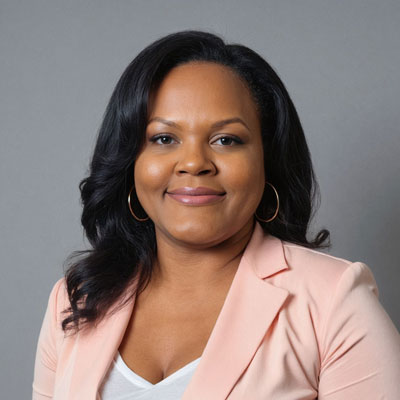 Demetria FlowersLPC Associate, MAPractices under the supervision of a Licensed Professional Counselor-Supervisor (LPC-S).
 Lyndsay DawsonLPC Associate, MAPractices under the supervision of a Licensed Professional Counselor-Supervisor (LPC-S).
 Debbie VidanaGraduate Counselor InternPractices under the supervision of a Licensed Professional Counselor-Supervisor (LPC-S).

Common Questions
- What if my partner does not want to come?
- That is common. Many partners agree to one session to see what it is like. Your counselor can also talk with you about next steps if they are not ready.
- Do we have to be married?
- No. We work with married, engaged and dating couples, including couples who are not sure yet whether they want to stay together.
- Can we join from different locations?
- Usually yes, as long as both of you are located in Texas during the session. Ask our office how that works for your situation.
Ready to Begin?
You do not have to keep having this fight. Reach out together, or start on your own, and we will help you find a new way through it.