
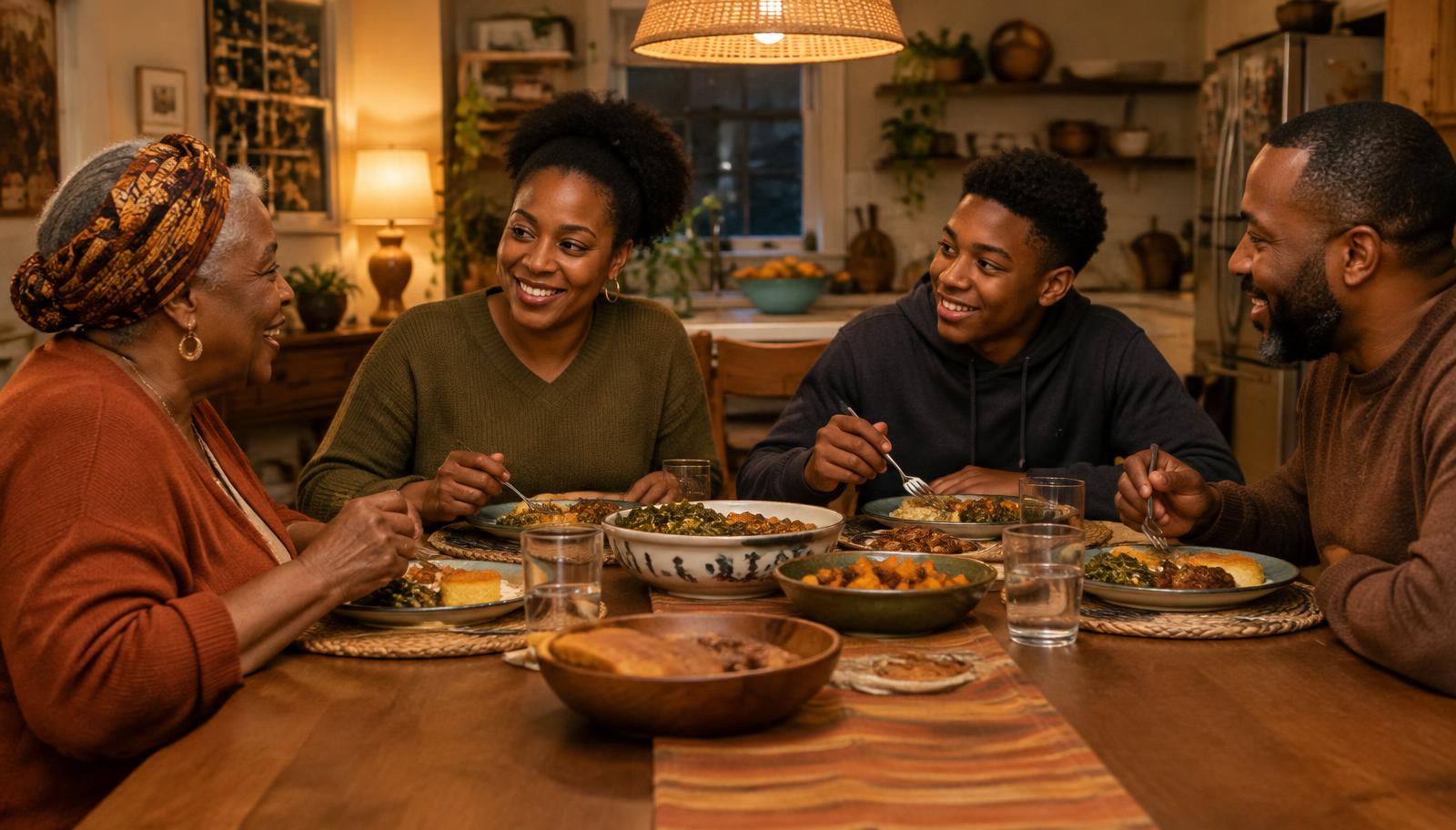
When Home Feels Tense
Family Counseling for Conflict at Home
When every dinner turns into an argument, or nobody is talking at all, the whole household feels it. Melisa Smith, LPC, MA, helps families sit down together and find a calmer way through.


Signs Your Family Could Use Help
Conflict is normal in any family. It becomes a problem when the same fights repeat, when one person always ends up as the problem, or when people start avoiding each other to keep the peace.
Sometimes the tension is loud and obvious. Other times it shows up as everyone retreating to separate rooms, holidays that feel like a chore, or a family group chat that has gone quiet. Both kinds of distance are worth paying attention to.
- Parents and teens who cannot talk without yelling
- Siblings, grown children or in-laws who have stopped speaking
- Blended families still sorting out roles and rules
- A family loss or change that everyone is handling differently
What Family Sessions Look Like
Melisa meets with the family members who are part of the conflict, by secure video. Sometimes that is a parent and a teen. Sometimes it is a couple and their adult children. She sets simple ground rules so everyone gets a turn and nobody is ganged up on.
Nobody is in trouble in these sessions, and nobody is there to be fixed.
Her approach is person-centered, which means each person's experience counts. She also uses motivational interviewing to help the family agree on what they actually want to change, so sessions lead to something you can practice at home.
Why the Pattern Matters More Than the Fight
Families often argue about chores, curfews or holidays, but the real issue sits underneath: feeling disrespected, unheard or left out. Melisa helps you name that layer so the same topic stops setting everyone off.
With 8 years of counseling experience and a long history of community work, she is comfortable with families from many cultures and with the expectations that come with them.
Between sessions, families often get a small task to try at home, such as a weekly check-in or a new way to pause an argument before it boils over. Progress tends to come from those small, repeated changes rather than one big breakthrough.
Clinicians for This
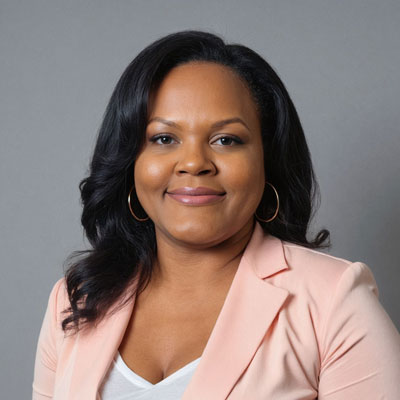 Demetria FlowersLPC Associate, MAPractices under the supervision of a Licensed Professional Counselor-Supervisor (LPC-S).
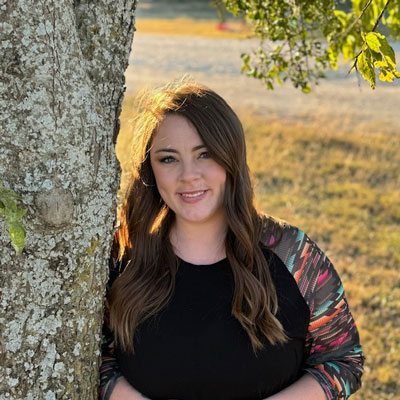 Lyndsay DawsonLPC Associate, MAPractices under the supervision of a Licensed Professional Counselor-Supervisor (LPC-S).
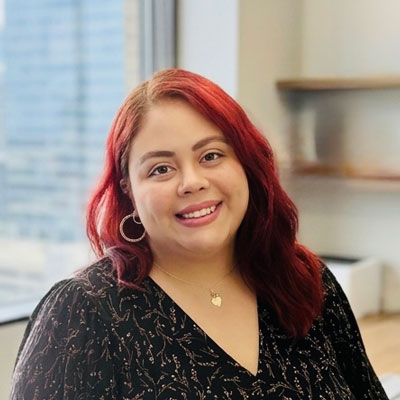 Debbie VidanaGraduate Counselor InternPractices under the supervision of a Licensed Professional Counselor-Supervisor (LPC-S).
Common Questions
- Who needs to attend family sessions?
- Usually the people most involved in the conflict. Melisa will help you decide who should join and whether some sessions should include only part of the family.
- Can family members join from different cities?
- Yes, as long as everyone is located in Texas during the session. Video makes it easier to include a grown child or relative who lives elsewhere in the state.
- Does Melisa see one family member alone?
- Melisa focuses on couples and families. If one person needs individual support, we can connect them with another clinician on our team.
Ready to Begin?
A calmer home starts with one conversation. Call or email us and we will set up a time for your family with Melisa.